How to Plan a Home Renovation Cleanup in Hillsborough County
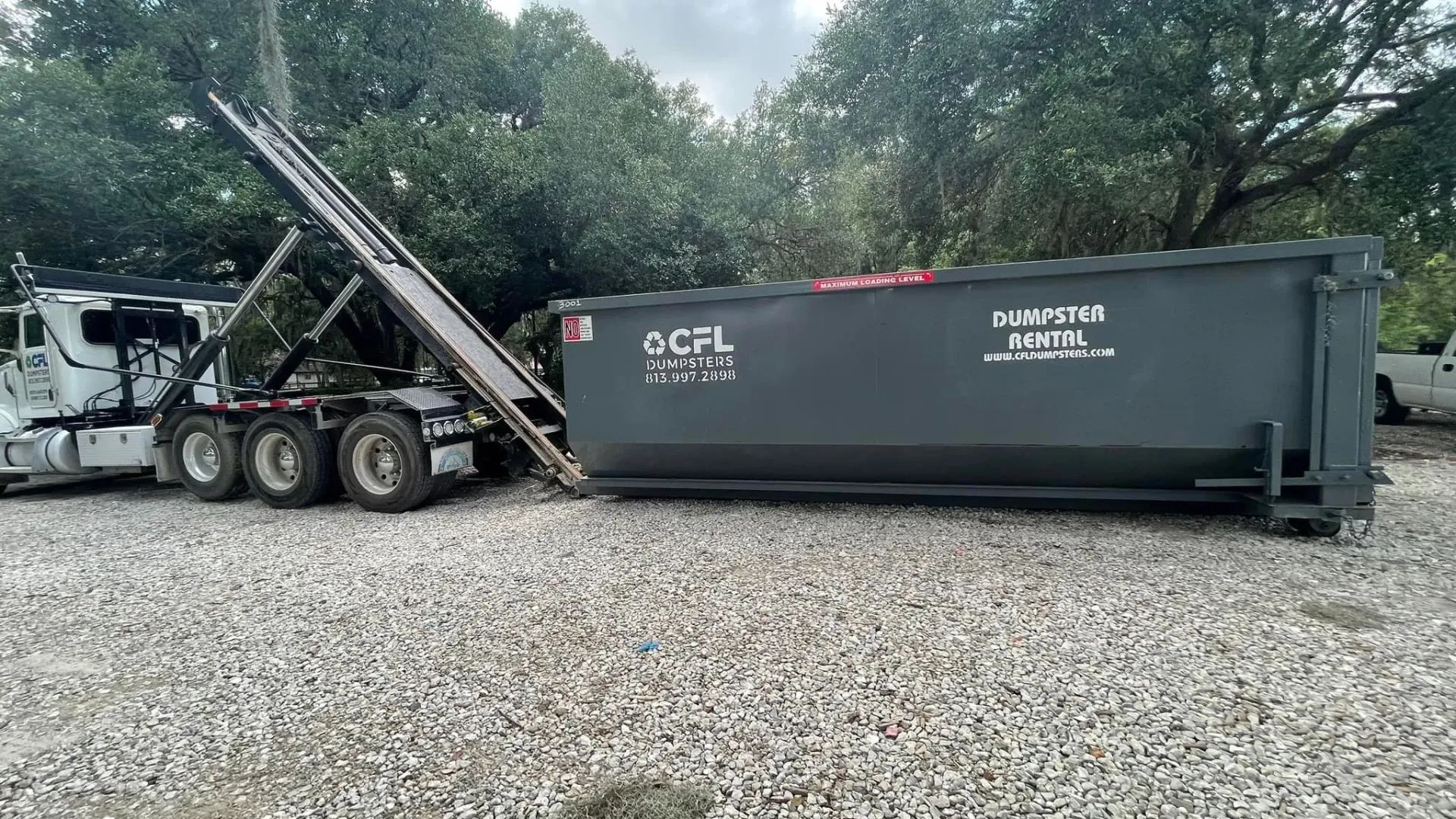
Planning a home renovation cleanup in Hillsborough County starts with booking a dumpster before demolition begins, sizing it to the project (15 yard for a single room, 20 yard for multi-room work, 30 to 40 yard for a full gut), placing it on a paved, level surface with clear access for the delivery truck, and keeping it on-site for the full length of the project plus a few extra days to cover delays.
Debris removal is often the piece of a renovation timeline that gets the least attention until it becomes a problem. A home renovation cleanup dumpster rental scheduled after demolition has already started tends to cause delays, cluttered driveways, and rushed decisions about container size. This guide walks through how much debris a typical renovation produces, when to schedule delivery, how to choose the right size, and how to keep a project moving in Brandon, Tampa, Riverview, Valrico, and the rest of Hillsborough County.
Kitchen remodels, bathroom updates, and full interior gut renovations each generate different volumes and types of debris, which means a one-size-fits-all approach to dumpster rental rarely works well. The sections below break down debris estimates by project type, walk through the factors that determine dumpster size and rental length, and cover placement rules that apply across Hillsborough County.
Why Cleanup Planning Belongs on the Renovation Timeline
Debris buildup is one of the most common causes of delay on a residential remodel. Once cabinets, flooring, or drywall start coming out, the volume of material grows quickly, and a jobsite without a clear disposal plan turns into a safety hazard within a day or two. Loose nails, broken tile, and stacked lumber create tripping and injury risks for anyone walking through the space, including homeowners checking on progress.
Scheduling roll-off dumpster rentals before demolition starts keeps debris contained from day one instead of piling up in the garage or spilling onto the lawn. It also gives contractors a fixed disposal point to work around, which keeps labor time focused on the renovation itself rather than repeated trips to a transfer station.
A dumpster booked in advance also removes a common point of friction between homeowners and contractors. When the container is already on-site and sized correctly, there is no mid-project scramble to find same-day availability or negotiate who is responsible for hauling debris.
Contractors working on a fixed timeline generally build debris removal into their own scheduling, but that plan only works if the container is available when demolition starts. A renovation that begins without a dumpster on-site often results in debris stacked against the house or piled in the yard for days, which slows down the next phase of work and creates an unnecessary cleanup task before the crew can even begin the following step.
How Much Debris Does a Home Renovation Actually Produce?
Debris volume depends heavily on the scope of the project. A single-room update generates far less material than a full interior gut, and materials like tile and drywall are denser than they look, which affects both the size of dumpster needed and how quickly weight limits are reached.
Estimating debris volume before ordering a dumpster is one of the more overlooked steps in renovation planning. Homeowners who guess low often end up paying for a second haul-away or an emergency upsize mid-project, while those who guess high sometimes pay for capacity that never gets used. Reviewing the scope of demolition room by room, and accounting for materials that add weight without much visible bulk, gives a more accurate starting point than estimating by square footage alone.
Kitchen Remodel Debris Estimates
A standard kitchen remodel that includes removing cabinets, countertops, and flooring typically produces 2 to 4 cubic yards of debris. Cabinet boxes and countertop material take up space quickly even when they are not especially heavy, while flooring and any drywall patching adds density. Most kitchen projects fit comfortably into a 15 yard container.
Bathroom Remodel Debris Estimates
Bathroom remodels generate a smaller volume than kitchens, usually 1 to 3 cubic yards, but the materials involved (tile, porcelain fixtures, vanities) are dense and heavy for their size. A 15 yard dumpster is typically sufficient, though weight limits matter more here than in lighter-debris projects.
Full Interior Gut and Renovation Estimates
A full gut involving multiple rooms, flooring throughout, drywall removal, and framing changes can produce 15 to 30 cubic yards of debris or more, depending on square footage. Insulation adds bulk without much weight, while framing lumber and drywall add both. Projects at this scale generally call for a 30 to 40 yard container, sometimes with a swap-out mid-project.
According to
NAHB Remodeling Market data, remodeling activity has remained a steady share of residential construction spending nationally, which reflects how common multi-room and full-gut projects have become for homeowners looking to update aging properties rather than move.
| Project Type | Typical Debris Volume | Recommended Dumpster Size |
|---|---|---|
| Kitchen remodel | 2 to 4 cubic yards | 15 yard |
| Bathroom remodel | 1 to 3 cubic yards | 15 yard |
| Multi-room remodel or roofing tear-off | 6 to 10 cubic yards | 20 yard |
| Full interior gut | 15 to 30+ cubic yards | 30 to 40 yard |
When Should You Schedule Dumpster Delivery for a Renovation?
Dumpster delivery should be scheduled before demolition begins, not after debris has already started accumulating. Ordering a week or more ahead of the project start date allows time to confirm sizing, delivery access, and any permit requirements for driveway or street placement.
Coordinating delivery timing with the contractor's arrival matters as much as the order date itself. A container that shows up before the crew is ready to begin demolition sits empty and takes up space, while one that arrives late forces workers to stage debris somewhere temporary, which usually means extra handling. For questions specific to scheduling and availability in the area, dumpster rental in Tampa and surrounding Hillsborough County communities is handled with same-day and next-day delivery in most cases.
For phased renovations that involve multiple demolition stages spread across weeks, a single dumpster with a scheduled swap-out often works better than one container left on-site for the entire timeline. This keeps the container from sitting full and idle between phases and avoids paying for rental days when no active demolition is happening.
General contractors coordinating debris removal for a client's remodel typically handle scheduling directly, but homeowners managing their own renovation or working with a smaller crew often need to confirm delivery timing themselves. Sharing the demolition start date and expected project length when placing the order helps match the rental term to the actual work, rather than defaulting to a standard weekly rate that may run shorter or longer than needed.
Homeowners planning a weekend-only project, such as ripping out a single bathroom vanity and flooring, can typically book a short-term rental rather than a full weekly term. Confirming the minimum rental period in advance avoids paying for unused days.
What Dumpster Size Is Right for Your Renovation Project?
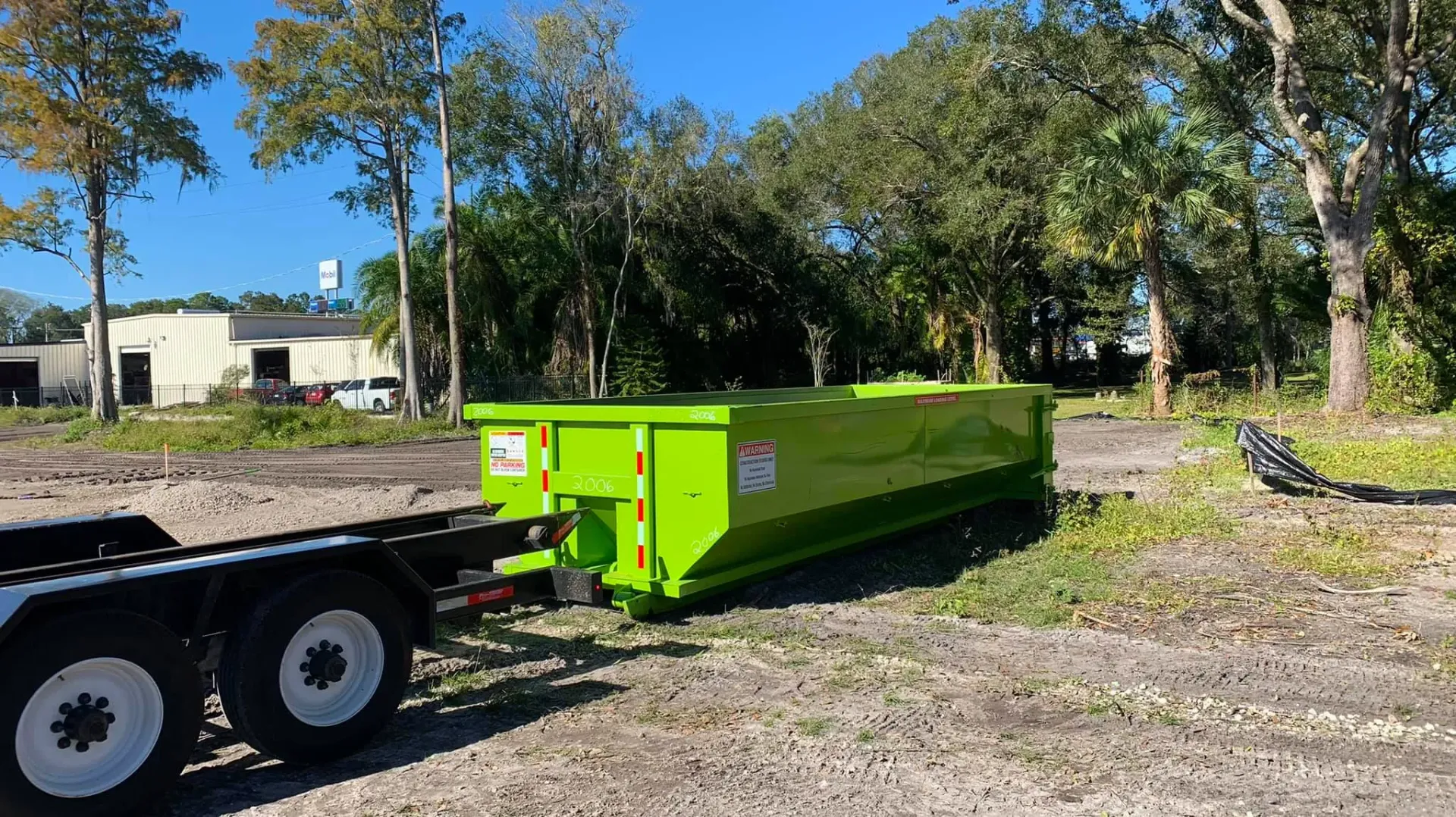
Dumpster sizing comes down to project scope more than square footage alone. A single-room update, like a bathroom or a small kitchen, generally fits a 15 yard container. Multi-room projects or roofing tear-offs that accompany a renovation typically need a 20 yard container to handle the added volume.
Full-home renovations, additions, or projects that combine multiple construction dumpster rentals needs, such as framing and structural debris alongside interior demolition, call for a 30 to 40 yard container. When project scope is uncertain or likely to grow once walls are opened up, rounding up to the next size is usually cheaper than ordering a second dumpster mid-project or paying overage fees for exceeding weight or fill limits.
Weight limits, not just volume, determine actual cost in many cases. Dense materials like tile, concrete board, and shingles fill a container's weight allowance long before it looks full, so a project heavy in those materials may need a larger size even if the visible debris volume seems modest.
Combining renovation debris with unrelated household junk in the same container is worth avoiding when possible. Old furniture, appliances, or general clutter removed during a renovation can quickly use up weight capacity meant for construction materials, which sometimes forces an unplanned upsize partway through a project that would otherwise have fit the originally booked container.
Where to Place a Dumpster During a Home Renovation
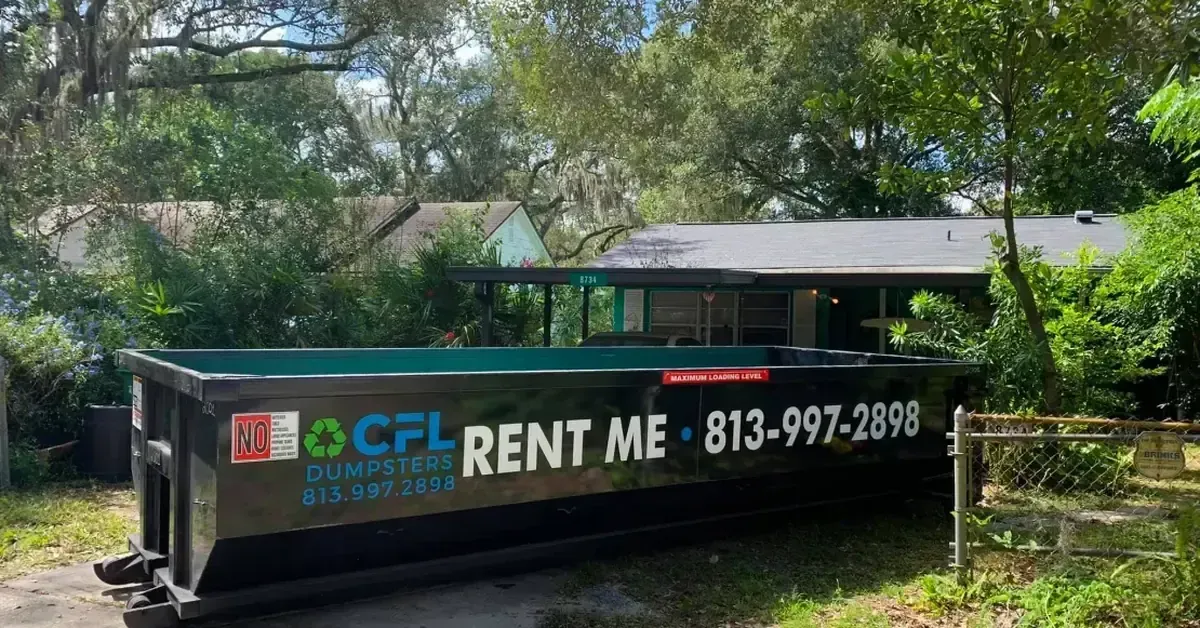
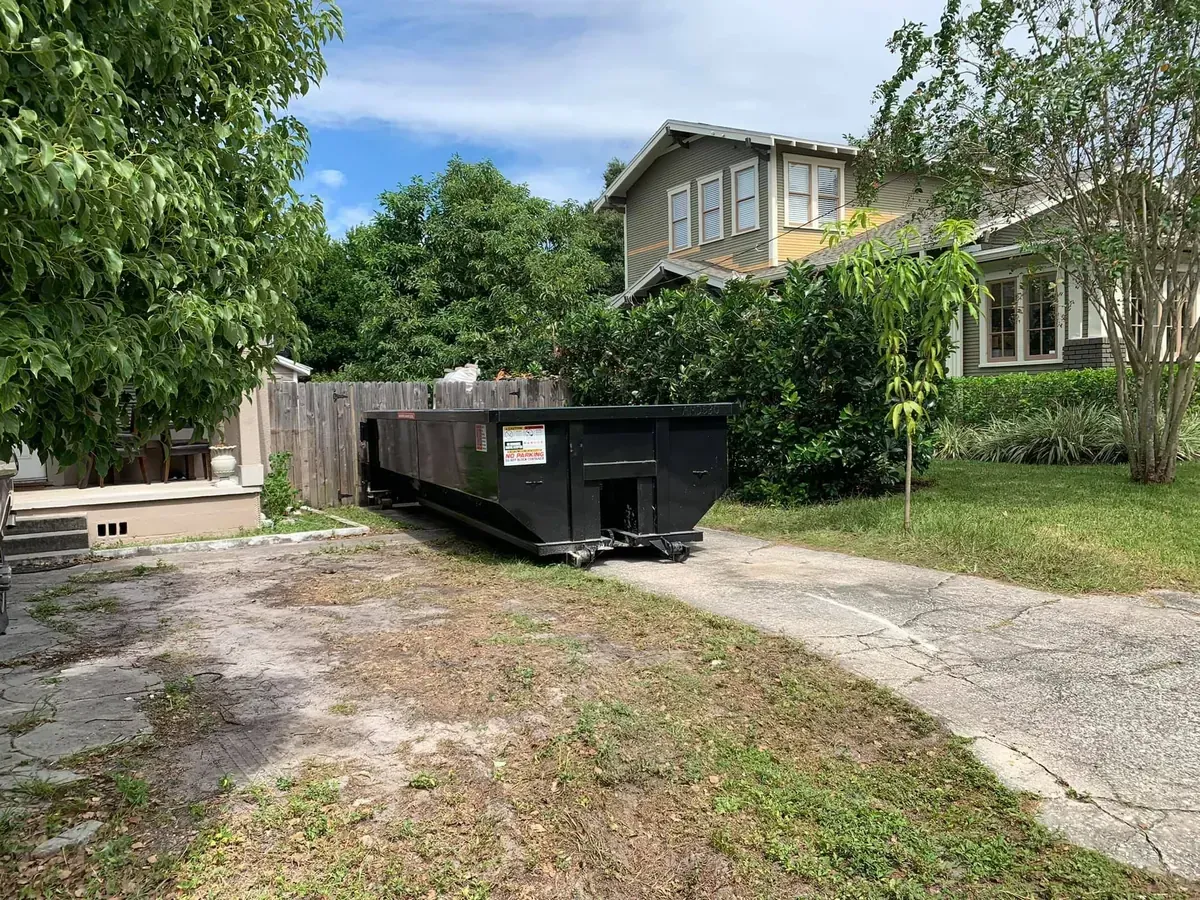
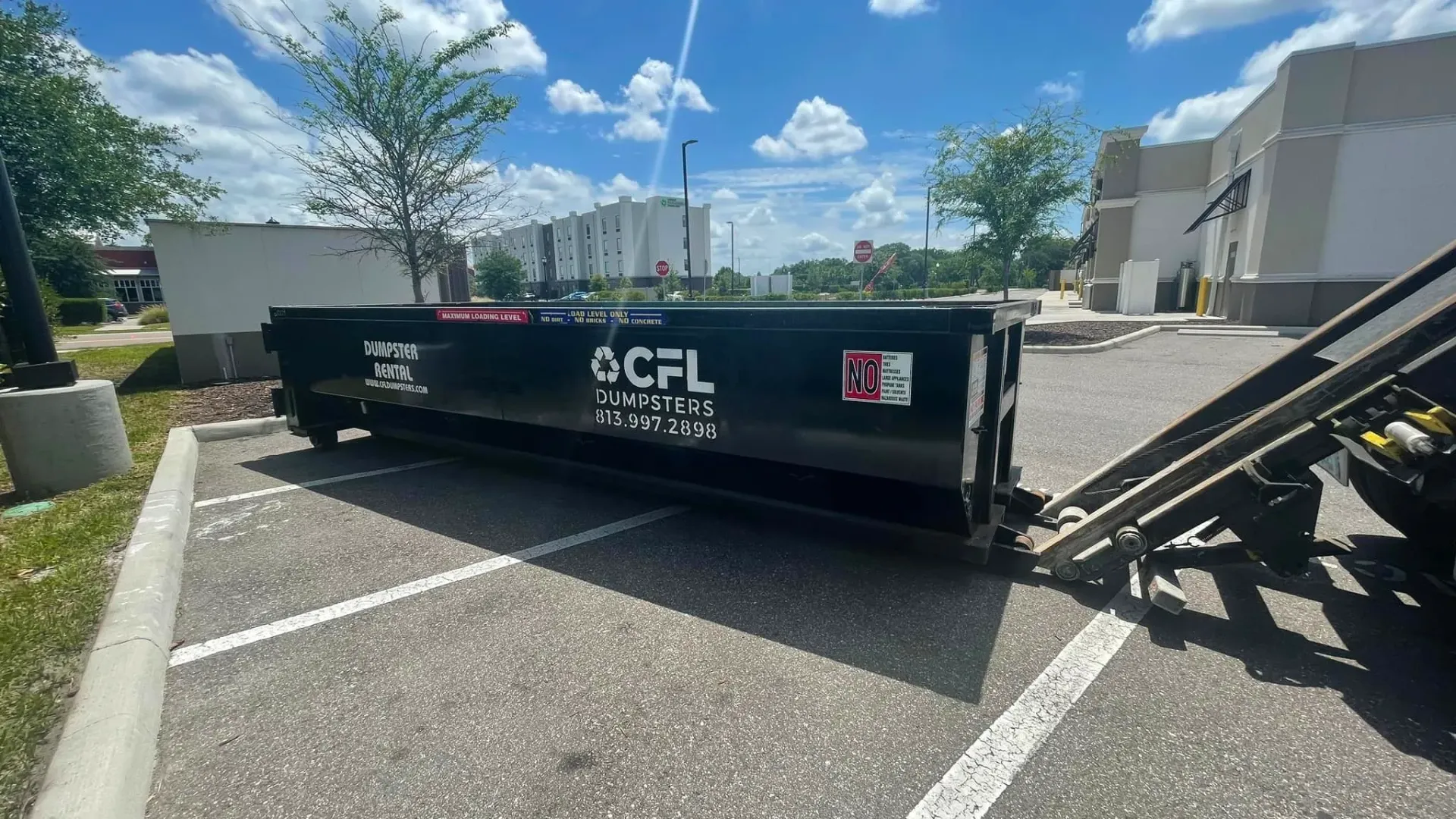
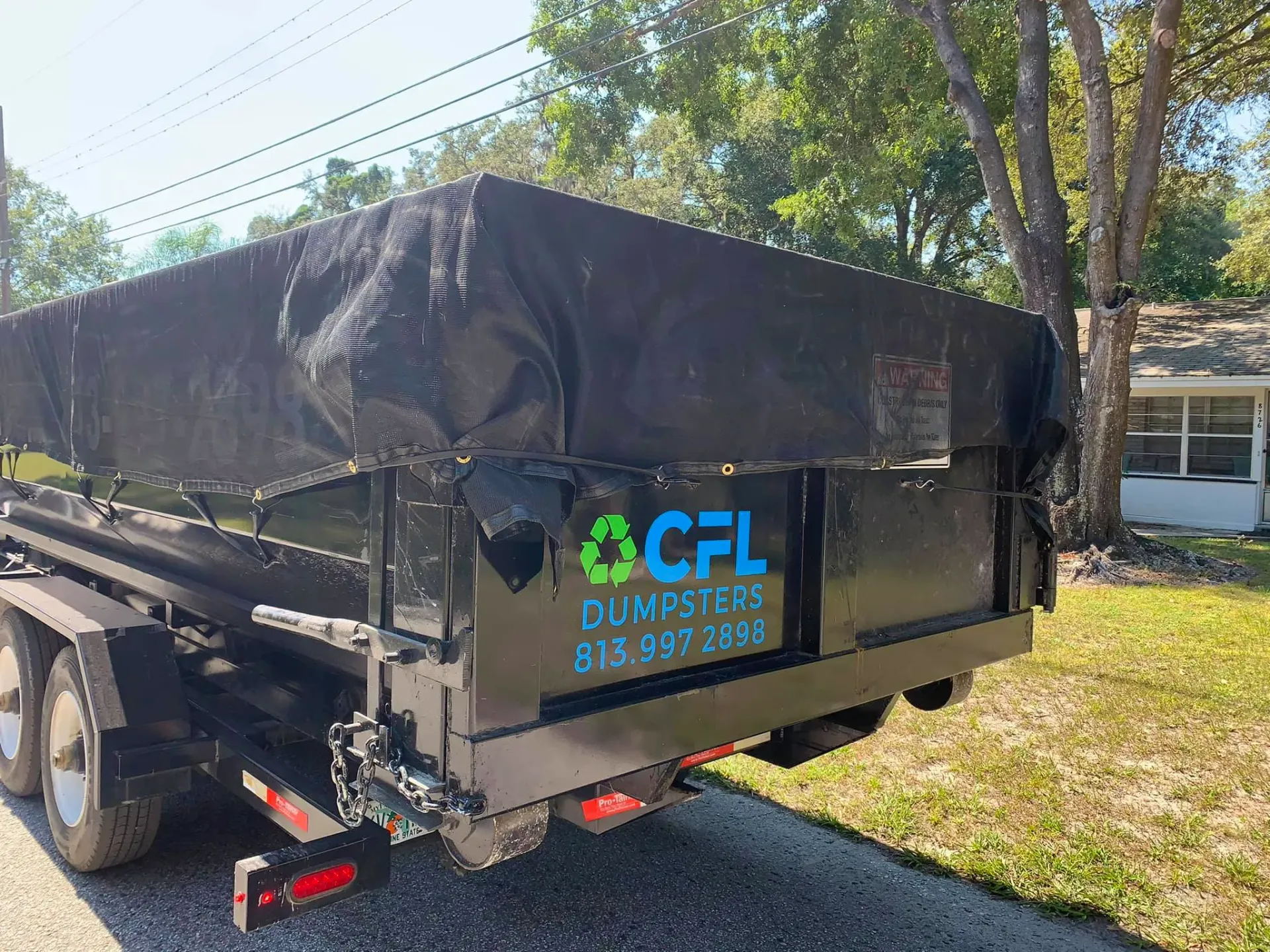
Driveway placement is the most common option for residential renovation dumpsters, provided there is enough clearance for the delivery truck to maneuver and level ground to prevent the container from shifting. Plywood or protective boards placed under the dumpster's rails help prevent cracking or staining on driveway surfaces, especially for longer rental periods.
Street placement is sometimes necessary when a driveway is too short, occupied by construction vehicles, or under repair. Both Tampa and Brandon require a permit for dumpsters placed on a public street, and permit turnaround time varies, so this should be confirmed well before the delivery date rather than discovered on the day debris removal is scheduled to begin.
Landscaping near the planned drop point is worth protecting before delivery rather than repairing afterward. Marking sprinkler heads, moving potted plants, and noting any low-hanging irrigation lines helps the delivery driver avoid damage when maneuvering the container into place. Placement on grass or unpaved surfaces is generally discouraged, since the weight of a loaded container can leave ruts or kill grass underneath for weeks.
Clearance for the delivery truck is worth checking in advance for properties with low tree branches, narrow gates, or shared driveways. According to HUD residential remodeling information, planning logistics ahead of a remodel, including site access, is one of the factors that most consistently affects whether a renovation stays on schedule.
How to Sort and Stage Debris During a Renovation
Hazardous materials, including old paint, solvents, certain adhesives, and anything containing asbestos in older homes, need to be kept separate from general construction debris and disposed of through appropriate channels rather than placed in a standard roll-off container. Older Hillsborough County homes undergoing a full gut are especially likely to turn up materials like this once flooring or ceiling tile is removed, so confirming what cannot go in the dumpster before demolition starts avoids a mid-project disposal issue.
The EPA construction and demolition debris resources outline how construction and demolition materials are typically categorized and managed, which is useful background for homeowners working with a contractor to sort debris correctly.
Staging lightweight items, such as insulation and packaging, separately from heavy materials like tile, concrete, and drywall helps keep the dumpster's weight distributed evenly and avoids hitting weight limits before the container looks full. Loading heavier debris first, flat against the base, and filling gaps with lighter material afterward makes more efficient use of available space.
Daily loading as demolition progresses tends to work better than waiting until the end of a project to load everything at once. It keeps the jobsite walkable and reduces the chance of debris being left out in weather that could add moisture weight, which affects total disposal cost when billing is based on weight.
Breaking down bulky items before loading, such as flattening cardboard packaging or cutting long pieces of trim to shorter lengths, makes more efficient use of the container and reduces the number of loads needed for a project. A little bit of sorting discipline early in a renovation tends to save both space and money by the time the container is picked up.
How Long Should You Rent a Dumpster for a Home Renovation?
Typical rental periods for renovation projects run 7 to 14 days, though this varies by project scope and contractor schedule. Kitchen and bathroom remodels often fall on the shorter end, while full gut renovations that span several weeks may need an extended rental term or a scheduled swap-out.
Project duration has a direct effect on total cost, since most rental agreements include a set number of days with additional charges for extensions. Estimating the realistic timeline, including likely delays for material delivery or inspection scheduling, before booking helps avoid unexpected extension fees.
Extension options are usually available for projects that run longer than planned, though availability depends on other bookings in the area. Avoiding idle rental time, meaning days when the dumpster sits on-site without active demolition happening, is one of the simplest ways to control cost on a longer renovation timeline.
Overall cost for a renovation dumpster rental depends on container size, rental length, and total debris weight, with larger containers and heavier materials like tile or concrete pushing the price higher. Requesting a quote based on the specific project, rather than a generic size estimate, gives a more accurate number and avoids surprise overage charges when the container is picked up and weighed.
Planning Cleanup Alongside the Renovation Itself
Treating debris removal as part of the renovation plan rather than an afterthought keeps a project on schedule and the jobsite safer for everyone involved. Estimating debris volume by project type, scheduling delivery ahead of demolition, choosing a size that accounts for weight as well as volume, and planning placement and rental length in advance all reduce the chance of mid-project surprises.
Whether the project is a single bathroom refresh or a full interior gut spanning several weeks, matching the dumpster size and rental term to the actual scope of demolition, rather than guessing, is what keeps cleanup from becoming a bottleneck. A short call to confirm sizing before ordering is usually enough to avoid the most common mid-project sizing and scheduling issues.
Homeowners and contractors working on kitchen, bathroom, or full-home renovations across Brandon, Tampa, and the rest of Hillsborough County can call
(813) 535-5643 to confirm sizing and check same-day delivery availability before a project begins.